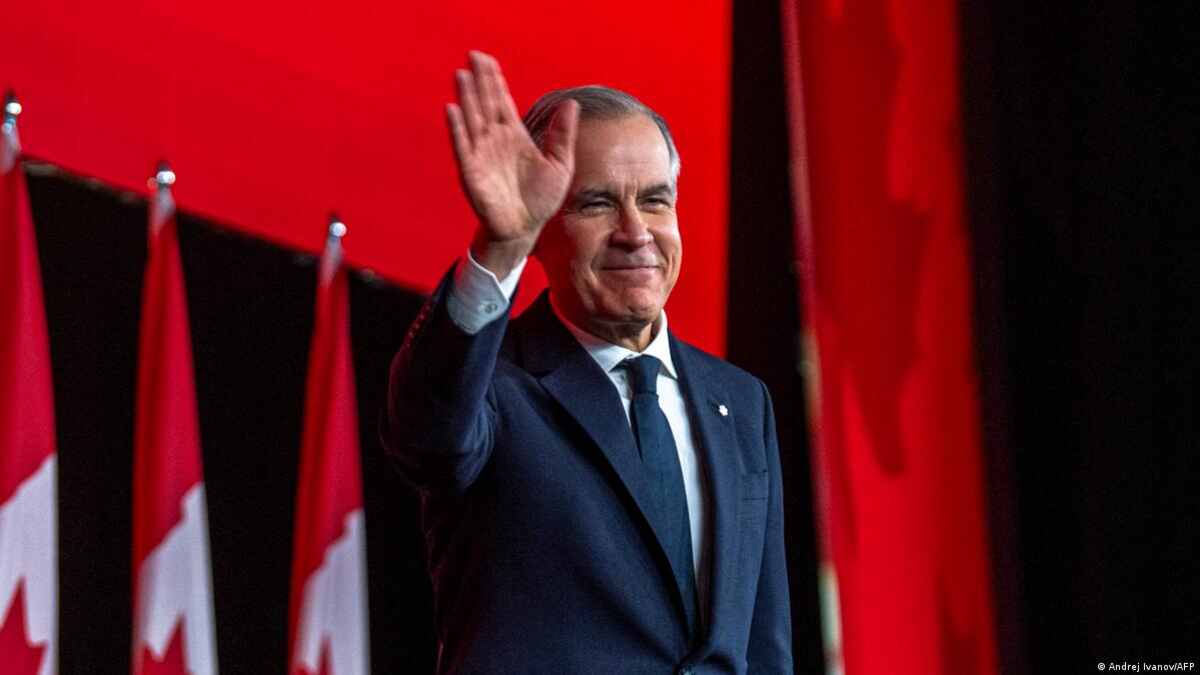
Canadian Prime Minister Mark Carney has achieved a significant political milestone, transforming his minority Liberal government into a stable majority following decisive victories in three federal by-elections held on April 13, 2026. The results, confirmed by Elections Canada on April 14, pushed the Liberals to 174 seats in the 343-seat House of Commons, comfortably surpassing the 172-seat threshold required for majority control. This marks Canada’s first majority government since Justin Trudeau’s tenure ended in 2019 and strengthens Carney’s position as he navigates complex international challenges.
The by-elections took place in three ridings: University-Rosedale and Scarborough Southwest in Ontario, both traditional Liberal strongholds in the Toronto area, and the more competitive Terrebonne riding in Quebec. Liberals secured all three seats, with strong performances in the Ontario contests and a hard-fought win in Quebec that sealed the majority. These victories build on a series of earlier gains, including multiple opposition MPs crossing the floor to join the Liberal caucus in recent months, which had already brought the party close to the magic number.
Carney, a former Bank of Canada and Bank of England governor who entered politics amid economic uncertainty, celebrated the outcome as a clear mandate from voters. In statements following the results, he emphasized that the wins reflect public trust in his government’s economic plan and its firm stance against external pressures, particularly the ongoing trade tensions initiated by US President Donald Trump. A majority government allows the Liberals to pass legislation independently, without needing support from opposition parties such as the Conservatives, Bloc Québécois, or New Democrats. This stability is expected to last until the next scheduled federal election in 2029.
The path to majority status reflects strategic momentum for the Liberals. After forming a minority government roughly a year earlier, Carney benefited from floor-crossings that incrementally boosted seat counts. The by-elections, triggered by resignations including high-profile departures like Chrystia Freeland and Bill Blair, provided the final push. Analysts note that the results demonstrate continued voter confidence in Carney’s leadership during a period of global volatility, including trade disputes and energy policy debates.
With full control of Parliament, Carney’s administration gains greater flexibility to advance key priorities. These include bolstering Canada’s economy, addressing trade relations with the United States, advancing energy and environmental initiatives, and implementing measures to support housing affordability and healthcare. The majority also reduces the risk of early elections or legislative gridlock, enabling longer-term planning on critical files.
Opposition parties reacted with measured responses, acknowledging the democratic outcome while signaling continued scrutiny on policy directions. Conservative leaders expressed disappointment but vowed to hold the government accountable on issues like fiscal responsibility and national security. The Bloc Québécois focused on Quebec-specific concerns, while the NDP highlighted areas where they may still push for progressive reforms.
For Carney personally, the majority represents a remarkable transition from central banker to head of a stable majority government. His calm, technocratic style has resonated amid economic headwinds, positioning him as a steady hand in turbulent times. Supporters view the result as validation of his vision for a resilient Canada that can assert its interests on the global stage.
As the Liberals prepare to return to Parliament with renewed authority, attention turns to how Carney will wield this stronger mandate. Early indications suggest a focus on economic diversification, strengthening alliances, and delivering tangible benefits for Canadian families. The development injects fresh stability into Canadian politics at a moment when many observers see it as essential for addressing both domestic needs and international pressures.
This shift to majority status not only consolidates Liberal power but also reshapes the parliamentary landscape for the coming years. With no immediate threat of confidence votes or snap elections, Carney’s government enters a new phase of governance with the tools to implement its agenda more decisively.