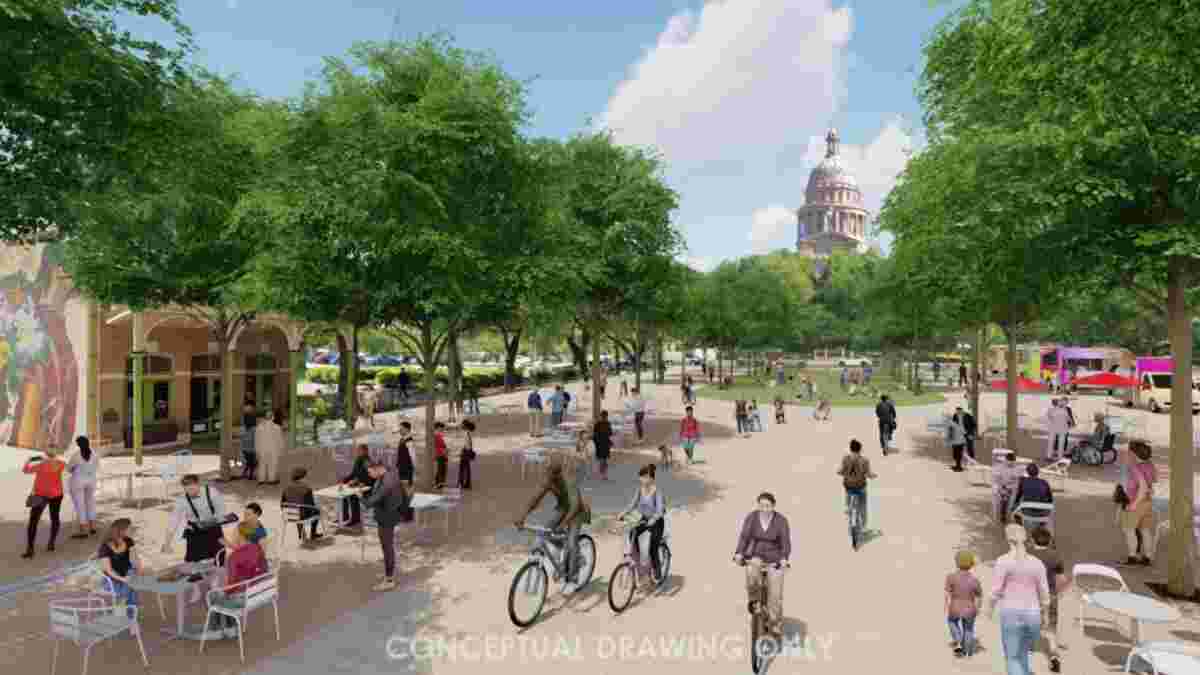
Across the world, city governments are increasingly experimenting with car-free downtown zones as part of a broader effort to reduce traffic congestion, cut air pollution, and make urban spaces more livable. From Europe to North America and parts of Asia, urban planners are redesigning city centers to prioritize pedestrians, cyclists, and public transport instead of private vehicles. The movement reflects a major shift in how cities approach transportation, sustainability, and public space in the 21st century.
For decades, many modern cities were designed primarily around cars. Wide roads, large parking lots, and heavy traffic became common features of urban landscapes. However, growing concerns about climate change, air pollution, and declining quality of life in crowded city centers have pushed governments to rethink this car-centric model. As a result, many cities are testing pedestrian-friendly zones where cars are restricted or completely banned.
Several European cities have emerged as global leaders in this transformation. Paris, for example, has dramatically reduced vehicle traffic while expanding cycling lanes and pedestrian areas. Over the past two decades, car traffic in the city has dropped by more than 50 percent as authorities invested heavily in bike infrastructure and pedestrian spaces. The French capital has also proposed removing cars from hundreds of additional streets and replacing asphalt with greenery and pedestrian zones to create a more sustainable urban environment.
The idea behind car-free downtown zones is simple: when cars are removed from busy streets, those spaces can be repurposed for people instead of traffic. Streets can become open plazas where residents walk, cycle, socialize, and attend cultural events. Restaurants and cafes often expand outdoor seating, and communities gain new gathering spaces that strengthen neighborhood life.
This concept gained global momentum during the COVID-19 pandemic, when many cities temporarily closed streets to cars to allow more outdoor space for residents. In numerous cases, these temporary experiments proved so popular that they became permanent policies. Urban planners discovered that pedestrianized streets encouraged walking and cycling while improving local business activity and community engagement.
Cities around the world are now adopting similar strategies. In Lithuania, the city of Vilnius has invested heavily in bike lanes and electric public transportation while expanding pedestrian-friendly areas across the city. Meanwhile, in the United States, several cities have introduced “open streets” programs that close certain roads to cars on weekends or permanently transform them into pedestrian spaces.
Supporters of car-free downtown zones argue that these projects provide multiple long-term benefits. Reducing vehicle traffic lowers air pollution and greenhouse gas emissions, helping cities meet climate goals. At the same time, safer streets encourage walking and cycling, improving public health and reducing traffic accidents. Urban designers also say pedestrian zones create more attractive and vibrant city centers that attract tourists, businesses, and residents.
Economic concerns were once a major argument against removing cars from city centers, with critics claiming that businesses would suffer if customers could not drive directly to shops. However, studies in several cities suggest the opposite may be true. When streets become pedestrian zones, foot traffic often increases, which can boost retail and restaurant sales as more people spend time exploring the area.
Despite the advantages, car-free policies are not without controversy. Some residents and commuters worry about traffic congestion shifting to surrounding neighborhoods. Others argue that removing cars could make it harder for elderly or disabled people to access certain areas. As a result, many cities are implementing gradual changes rather than sudden bans, combining pedestrian zones with improved public transportation and cycling infrastructure.
Another concept shaping this trend is the idea of the “15-minute city,” where essential services such as shops, schools, and healthcare are located within a short walk or bike ride from residents’ homes. Research suggests that neighborhoods designed around proximity rather than car travel can significantly reduce transportation-related carbon emissions.
As urban populations continue to grow, city leaders are under increasing pressure to find new ways to make cities cleaner, safer, and more efficient. Car-free downtown zones are emerging as one of the most visible solutions, transforming streets once dominated by traffic into vibrant public spaces.
Although each city approaches the idea differently, the global trend is clear: the future of urban mobility may involve fewer cars and far more people reclaiming their streets.